
AEP® and EPLS Forum
Will the Trust Survive?
Registered for this event? Login now to view additional event details.
Active Accredited Estate Planner designees and Estate Planning Law Specialist Certificants only, please.
About the Forum
How far can fiduciary duty be eroded before what we call a "trust" is no longer one? Beginning with equitable origins of the trust - the Lord Chancellor, the medieval Use, and the moral foundation that made legal power answerable to conscience - the presentation traces how American trust law departed from the English property-based model toward a policy instrument shaped increasingly by interstate competition. It addresses the contractarian debate over whether fiduciary duties are mandatory or merely default rules; the fault line between settlor intent and beneficiary welfare; how codification and policy have displaced courts of equity as the engine of trust law development; and the cumulative effect of three specific mechanisms - exculpation clauses, silent trusts, and directed trusts - that together shift risk to beneficiaries while diluting accountability. The presentation also examines decanting as the mobility tool that makes these features portable across jurisdictions, enabling the migration of a trust from a traditional fiduciary environment to a "neo-trust" state - often without court involvement, beneficiary notice, or anyone left holding enforceable responsibility.
Attendees will learn
- How the historical and equitable foundations of trust law define what a trust actually is - and why that baseline matters when evaluating modern statuory innovations that use fiduciary language while hollowing out fiduciary substance.
- How exculpation clauses, silent trusts, directed trusts, and decanting interact as a system - not merely as isolated planning tools - to shift risk from trustees to beneficiaries and reduce meaningful accountability.
- How interstate trust competition and choice-of-law rules have created a race among jurisdictions that practitioners, drafters, and advisors are already participating in, whether they recognize it or not - and what courts of equity are likely to do when the arrangement is eventually tested.
About our Presenter
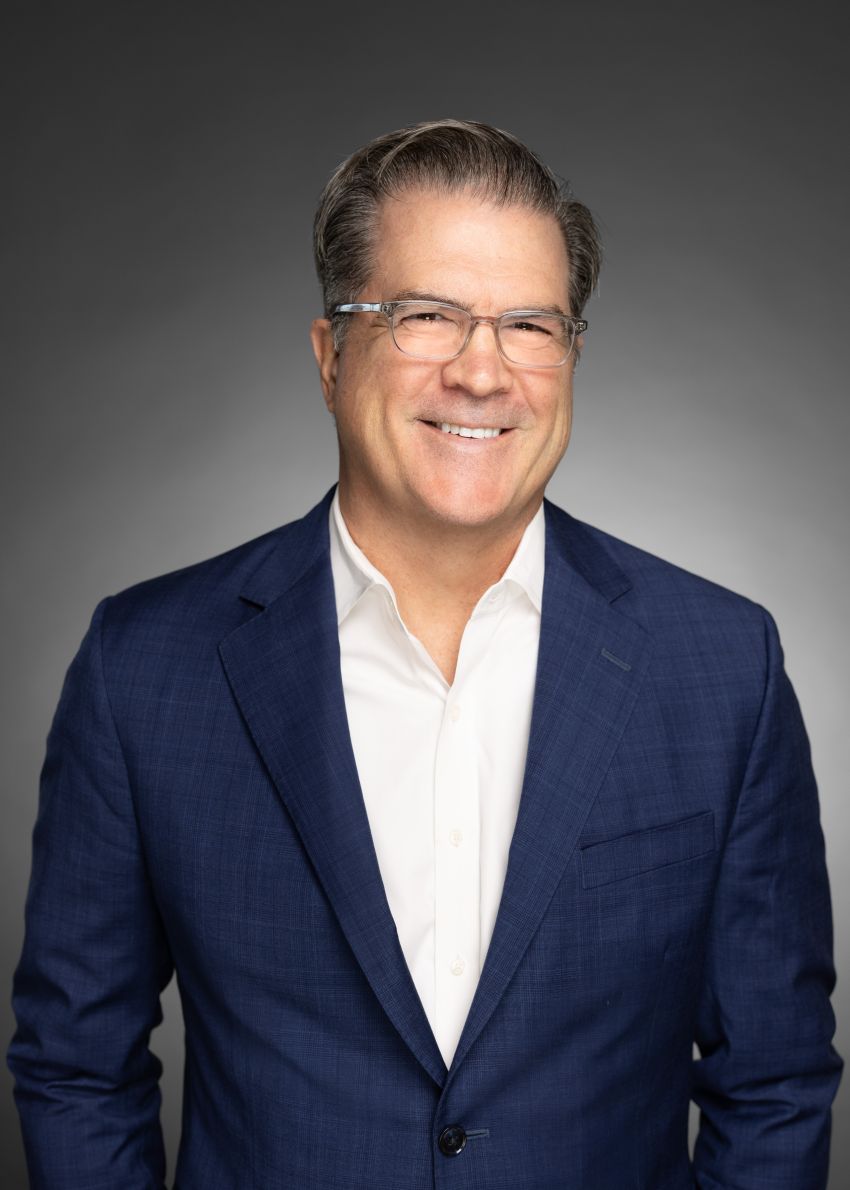
Philip J. Hayes
Philip Hayes is Chief Fiduciary Counsel of Storgate, a multi-family office, serving as the firm's lead legal and governance advisor for trusts, estates, and fiduciary structures. In this role, he guides families through complex wealth transfer strategies, ensures thoughtful and precise trust administration, and manages fiduciary risk with integrity. He also helps shape Storgates's fiduciary framework and long-term stewardship model, collaboratating with teams and partners across mutiple trust jurisdictions.
Phil brings more than 30 years of experience advising ultra-high-net-worth families. Most recently, he served at Northern Trust, where he guided multigenerational families requiring sophisticated planning and administration. Prior to that, he spent two decades at Bessemer Trust, where he advanced to Managing Director and Senior Fiduciary Counsel for the West Region.
A nationally recognized leader in the field, Phil is a Fellow of the American College of Trust and Estate Counsel (ACTEC) and has been a frequent lecturer to professional audiences for over 20 years. His contributions to the profession include published articles in leading legal journals and long service in national and state bar leadership. He has served as President of the San Francisco Estate Planning Council, Co-Chair of the ABA Real Property, Trust and Estate Law Section's Individual and Fiduciary Income Tax Committee, as a member of the Executive Committee of the State Bar of California's Trust and Estates Section, and as Editor of the California Trusts and Estates Quarterly.
Phil earned his B.A. in Economics from UCLA and a J.D. from the University of California College of Law, San Francisco (formerly University of California, Hastings College of Law).
This presentation is approved for (1) hour of CE for your AEP® designation.